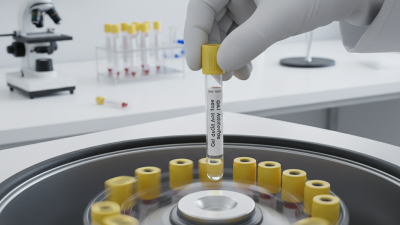
Hey, have you ever heard of Purple Top Blood Tubes? They're pretty much a staple in medical labs when it comes to drawing and storing blood samples. These tubes are filled with EDTA, an anticoagulant that stops the blood from clotting, which is super helpful for a bunch of different blood tests. Getting accurate results is so important—they really make the difference in diagnosing and treating patients properly.
But, using these Purple Top tubes isn’t just about grabbing and go. You really gotta handle them with care. If you're not careful, there's a risk of contaminating the samples or messing up the test results. Plus, health workers need to keep an eye on storage times—going over the limit can cause issues. They also play a key role in blood donation and transfusion, so everything has to be spot-on.
That said, it does make you wonder—are all lab techs properly trained? Do labs have solid quality control in place? Making sure these questions are answered is crucial for maintaining high standards in medical testing. Relying on Purple Top Blood Tubes is definitely a good move toward more precise diagnostics—it’s all about getting the details right in healthcare.
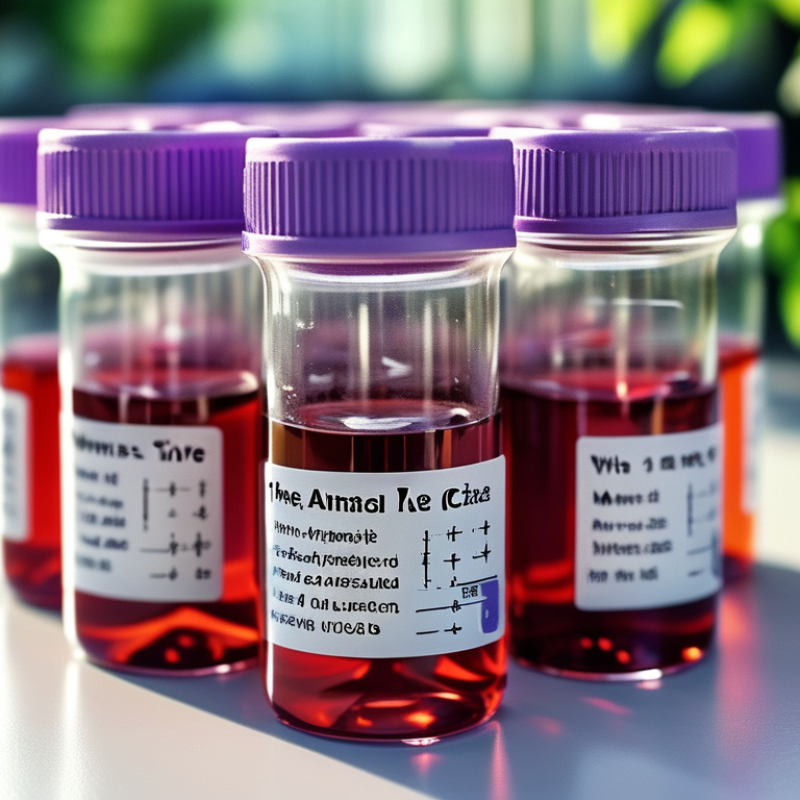
What Are Purple Top Blood Tubes?
Purple top blood tubes are essential tools in clinical laboratories. They contain ethylenediaminetetraacetic acid (EDTA), an anticoagulant that prevents blood from clotting. This characteristic makes them ideal for hematology tests, which analyze blood cell counts and shapes. In China, Purple Top Blood Tubes are widely used for routine blood drawing.
These tubes serve a specific purpose. They help in obtaining accurate blood test results. Blood samples stored in these tubes maintain integrity, enabling reliable diagnostics. However, improper handling can lead to compromised results. For instance, samples exposed to extreme temperatures or prolonged storage can degrade. Always ensure proper collection methods.
Healthcare professionals must be knowledgeable about these tubes. Understanding the protocol can make a significant difference. Occasionally, even minor deviations in blood collection can lead to misleading results. Regular training sessions could help address these gaps. Having access to the right tools can enhance laboratory performance and improve patient outcomes.
Usage of Purple Top Blood Tubes
This chart represents the frequency of usage of Purple Top Blood Tubes across different domains in healthcare, highlighting their importance in hematology, blood banking, research, and clinical studies.
Composition and Design of Purple Top Blood Tubes
Purple top blood tubes are essential in the field of clinical diagnostics. These tubes typically contain EDTA, a potent anticoagulant. This additive prevents blood from clotting, making it crucial for hematological analyses. According to the Clinical Laboratory Standards Institute (CLSI), the use of EDTA in purple top tubes is a standard practice in laboratories for accurate results.
The design of purple top blood tubes is tailored for efficient blood collection. They are usually constructed from high-quality plastic or glass to ensure stability. Moreover, these tubes are designed with a specific volume to ensure the correct blood-to-additive ratio. For example, a typical purple top tube holds about 4.5 mL of blood, which is suitable for various tests, including complete blood counts (CBC). It's crucial to note that improper handling can lead to sample contamination, affecting test outcomes.
Tips: Always ensure the tube is filled to the correct level. Underfilling can lead to erroneous results. Consider regular training for staff to highlight the importance of proper technique in blood collection. Small changes can significantly enhance lab reliability.
Key Features of Purple Top Blood Tubes
Purple top blood tubes are essential in clinical laboratories. These tubes typically contain EDTA, an anticoagulant that prevents blood from clotting. Their primary function is for hematology tests. The purple top allows for accurate counting of blood cells and evaluation of blood conditions.
One key feature of these tubes is their vacuum seal. This design ensures a consistent blood sample volume. The tubes also come with clear labeling, making sample tracking straightforward. They are often used in routine blood tests, including complete blood counts (CBC). However, it is crucial to handle them carefully to avoid contamination.
Another notable aspect is the compatibility with other tests. While they are designed mainly for hematology, they can also be used for some molecular assays. Yet, users must be aware of expiration dates. Using expired tubes can lead to unreliable results. Such details are crucial for lab accuracy. Proper education on these features can enhance their effectiveness in medical settings.
Common Uses in Clinical Laboratories
Purple top blood tubes are vital in clinical laboratories. These tubes contain a specific additive, typically EDTA, to prevent blood clotting. This allows for accurate cell counts and other hematological analyses. They are frequently used for complete blood counts (CBC), blood typing, and certain specialized tests.
One tip for lab professionals is to ensure proper mixing of samples. Gently invert the tubes several times after collection. This process helps the anticoagulant mix with the blood thoroughly, preventing clots. If clots form, results may become unreliable.
Another important point is to monitor the expiration dates of the tubes. Using expired tubes can lead to compromised sample integrity. Additionally, always check for any signs of damage before use. If you notice any imperfections, it's safer to discard the tube. Attention to these details can significantly impact test outcomes and patient care.
Benefits of Using Purple Top Blood Tubes
Purple top blood tubes are essential tools in clinical laboratories. These tubes contain EDTA, an anticoagulant that prevents blood from clotting. This property makes them ideal for various hematological tests, including complete blood counts (CBC) and blood smears. According to the Clinical and Laboratory Standards Institute (CLSI), the proper usage of anticoagulant tubes, such as the purple top variety, maintains blood cell viability for up to 48 hours at room temperature.
One notable benefit of using purple top blood tubes is their role in accurate diagnostics. Studies show that the integrity of cellular components is crucial for reliable test results. Using the correct anticoagulants can significantly reduce the risk of erroneous lab results, which can lead to misdiagnoses. In fact, a report by the American Society for Clinical Pathology indicates that up to 15% of patient samples may yield misleading results due to improper handling and tube selection.
However, there is a need for continual evaluation of practices involving purple top blood tubes. Laboratories must ensure that the tubes are correctly filled and adequately mixed to avoid errors. This requirement highlights the importance of staff training. While OEM Purple Top Blood Tubes offer consistency, human error remains a challenge. Regular quality control checks can help mitigate these issues, ensuring that patient care remains reliable.
Handling and Storage Guidelines
Handling and storing Purple Top Blood Tubes properly is crucial for accurate laboratory results. These tubes contain EDTA as an anticoagulant, which prevents blood samples from clotting. It's important to store them at room temperature, away from direct sunlight. Extreme temperatures can alter the stability of the anticoagulant.
Tips: Always check the expiration date before use. Using expired tubes can lead to unreliable results. Ensure that the tubes are well-mixed with the blood sample gently by inverting them. Excessive shaking can cause hemolysis, which may affect test outcomes.
When handling the tubes, use gloves to avoid contamination. A clean environment is key. Improper handling can lead to cross-contamination between samples, undermining the quality of your results. Analyze blood samples within the specified time frame to maintain accuracy. Custom Purple Top Blood Tubes can be tailored for specific tests, which may also require unique handling guidelines. Always follow manufacturer instructions for best practices.
Comparative Overview with Other Blood Tube Types
When exploring the different types of blood collection tubes, Purple Top Blood Tubes stand out due to their unique anticoagulant properties. These tubes contain EDTA, which prevents blood from clotting, making them ideal for hematology tests. Commonly used for complete blood counts, they preserve cellular components in the sample effectively. It’s important to handle them correctly to maintain sample integrity.
In comparison, other blood tube types serve different purposes. Red Top Blood Tubes do not contain any additives, making them suitable for serum testing. Green Top Tubes, on the other hand, use heparin as an anticoagulant for plasma testing. Each type has a specific use-case scenario that affects the test results. In a lab environment, choosing the right tube is critical. Sometimes, even trained professionals overlook this detail, leading to inaccurate results.
While Wholesale Purple Top Blood Tubes are widely available, their essential function can be easily misunderstood. Some may assume that all blood collection tubes work the same way, but this is far from the truth. Understanding these differences is crucial for obtaining reliable test outcomes. Miscommunication in a lab setting can lead to major discrepancies, underscoring the need for attention to detail.
FAQS
: They contain EDTA, an anticoagulant that prevents blood from clotting.
They are mainly used for hematology tests, like complete blood counts.
The vacuum seal ensures a consistent volume of blood is collected for accurate testing.
They must be handled carefully to avoid contamination, which can affect test results.
Yes, they can also be compatible with some molecular assays.
Using expired tubes can lead to unreliable results, compromising test accuracy.
They uniquely contain EDTA, unlike red or green top tubes that serve different purposes.
Yes, even trained staff may overlook the type of tube, leading to inaccurate results.
It's important to know that not all tubes work the same, affecting test outcomes.
Miscommunication may lead to major discrepancies, impacting patient care and results.
Conclusion
Purple Top Blood Tubes are specialized collection vessels used primarily for blood samples in clinical laboratories. These tubes are designed with a unique composition that includes EDTA as an anticoagulant, which prevents clotting and ensures accurate hematological analysis. Key features of Purple Top Blood Tubes include their ability to preserve the integrity of the sample for various tests, making them ideal for complete blood counts and other blood-based diagnostic procedures.
In addition to their specific uses, the benefits of using Purple Top Blood Tubes encompass enhanced sample stability and reduced risk of contamination. Proper handling and storage guidelines are critical to maintaining sample quality, and these tubes are typically stored in a controlled environment. When compared to other blood tube types, Purple Top Blood Tubes stand out for their functionality in hematology, providing reliable results essential for patient care.