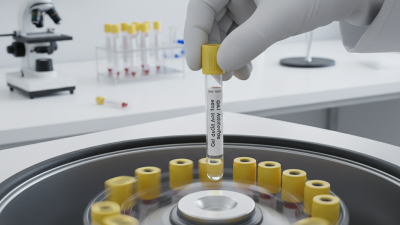
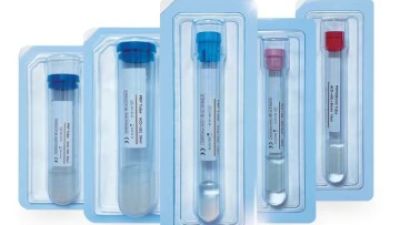
Choosing the right phlebotomy test tubes is actually a pretty big deal when it comes to getting accurate lab results. I read somewhere — a report from the National Institute of Health, I think — that using the wrong tube can really mess up the results, which is kinda scary. So, for healthcare pros, it’s super important to understand the different kinds of test tubes out there. Every tube has its own purpose and contains specific additives that can influence the testing process.
The world of medical testing is constantly changing — it’s like, you think you know everything, and then bam, new types of tubes or procedures pop up. For example, I came across a survey recently that said nearly 30% of lab errors come from sample collection or handling mistakes. That’s a huge chunk! Picking the correct test tube isn’t just about convenience; it’s about making sure the test's accurate and reliable. With so many options, I can totally see how nurses and lab techs can feel overwhelmed.
Honestly, even with all the tech advances, people sometimes forget how important the right tube choice is. Skipping on that step or just not paying enough attention can lead to issues, which could impact patient care down the line. It’s really vital for professionals to stay updated and careful about selecting the right tubes based on what tests are ordered and what each patient needs. In the end, the accuracy of the whole testing process depends a lot on this simple but crucial decision."

Choosing the Right Phlebotomy Test Tubes: Understanding Tube Types
Choosing the right phlebotomy test tubes is crucial for accurate laboratory results. Different types of tubes serve various purposes, and understanding these differences can significantly impact patient care. For example, blood collection tubes may contain additives like anticoagulants or gel separators, influencing how samples are processed.
According to the Clinical and Laboratory Standards Institute (CLSI), using improper tubes can lead to erroneous test results in up to 10% of cases. This highlights the importance of selecting tubes based on the desired test. Color-coded tube caps indicate their specific uses, such as red for serum tests and lavender for hematology. Knowing these color codes is essential for medical professionals.
In practice, some phlebotomists choose test tubes based solely on convenience, disregarding best practices. This can compromise sample integrity. Consistent training and adherence to established guidelines are necessary to minimize errors. As the field evolves, a deeper understanding of tube types is vital for improving diagnostic accuracy and enhancing patient outcomes.
The Importance of Additives in Phlebotomy Test Tubes: A Comprehensive Guide
Phlebotomy test tubes play a critical role in accurate specimen collection and analysis. Choosing the right tube involves understanding the function of each additive. Additives like anticoagulants preserve blood samples for various tests. Without the correct tube, results may be compromised. Each tube type has a specific purpose, making familiarity essential for practitioners.
Understanding the various additives is crucial. For example, tube top colors indicate specific properties. Lavender tops contain EDTA, a potent anticoagulant. This additive is vital for complete blood counts. In contrast, green tops contain heparin, suited for plasma testing. Healthcare professionals need to be aware of these choices. A wrong selection may lead to inaccurate lab results.
Tips: Review the latest guidelines on tube selection. Regular training ensures staff are updated about additive functions. Reflect on past experiences with sample mishaps. Learning from mistakes can significantly improve results in the future. Each blood draw is an opportunity for precision and care. Prioritize knowledge about phlebotomy tubes for better diagnostic outcomes.
Matching Tube Color Codes to Test Requirements: An Essential Overview
Choosing the right phlebotomy test tubes is crucial for accurate test results. Different colors indicate specific additives, influencing how samples will be processed. Blood tubes are often color-coded, and knowing these codes is essential. For instance, blue tubes contain sodium citrate, which is vital for coagulation studies. The proper choice of tube can affect the quality of the results.
The importance of adhering to these color codes cannot be overstated. Mislabeling or incorrect selection can lead to flawed tests. A red-top tube is typically used for serum tests, while a green tube, featuring heparin, is ideal for plasma tests. These distinctions are critical for healthcare professionals to ensure reliability. However, it's important to note that not all tests fit perfectly into these categories. Some tests may require additional considerations or specialized tubes.
It's vital to stay informed about the latest practices regarding phlebotomy test tubes. Regular training or resources can help improve understanding. Often, lapses in color code adherence stem from lack of knowledge or oversights. This can jeopardize patient safety and outcomes. Testing methodologies may evolve, and ongoing education ensures accuracy and efficiency. Being aware of the nuances in tube selection is part of a professional's duty in the healthcare environment.
Phlebotomy Test Tube Color Codes and Their Uses
Impact of Tube Size on Blood Sample Volume and Test Accuracy
When selecting phlebotomy test tubes, tube size plays a crucial role. A tube that is too small may not capture a sufficient blood sample. Conversely, an oversized tube could dilute the sample, leading to inaccurate test results. Proper volume is essential for reliable diagnostic outcomes.
Volume impacts test accuracy directly. For example, certain tests require specific blood ratios to additives within the tube. If the volume deviates from the recommended level, it can skew results. This inconsistency can confound healthcare providers, leading to misdiagnoses or inappropriate treatments.
Phlebotomists should consider each tube’s function. Different tests need different additives, which interact with blood. Having the right size ensures the right interactions occur. Choosing the correct tube may seem simple but can be misleading. Oversight in this area can lead to significant implications for patient care. Small details matter.
Ensuring Sample Integrity: Best Practices for Tube Handling and Storage
Proper handling and storage of phlebotomy test tubes are crucial to maintaining sample integrity. Choosing the right tubed for blood collection is just the beginning. Once the samples are collected, storing them correctly can make a significant difference in test results. Tubes should be kept in a stable environment, away from direct sunlight to prevent degradation of certain substances.
Transporting samples also requires care. Maintain an appropriate temperature range for the specific type of sample. Some tests require refrigerated conditions while others must be kept at room temperature. Check if the OEM Phlebotomy Test Tubes have any specific instructions listed for optimal storage.
Always label each tube clearly and ensure samples are organized. Confusion can lead to severe errors in diagnosis. Although it might seem minor, attention to labeling reduces the risk of mix-ups. Reflecting on storage practices can lead to improvements, perhaps considering a dedicated area for samples. Testing environments often overlook these details. Emphasizing proper handling can impact overall test quality significantly.
How to Choose the Right Phlebotomy Test Tubes for Any Purpose
| Tube Color |
Additive |
Common Use |
Sample Integrity Tips |
| Red |
No additive |
Serology, blood chemistry |
Avoid temperature extremes during transport. |
| Light Blue |
Citrate |
Coagulation tests |
Mix gently to avoid hemolysis. |
| Gold |
Gel separator |
Serum tests |
Allow clotting for 30 minutes before centrifugation. |
| Lavender |
EDTA |
Hematology tests |
Invert gently to mix; avoid prolonged storage. |
| Gray |
Sodium fluoride |
Glucose testing |
Keep tubes away from light during transport. |
Regulatory Standards for Phlebotomy Tubes: Compliance and Quality Assurance
When selecting phlebotomy test tubes, one must prioritize regulatory standards. Compliance ensures that the tubes used meet essential safety and quality benchmarks. Regulatory bodies often provide guidelines on materials, labeling, and proper usage. Ensuring your phlebotomy tubes comply enhances the accuracy of test results. This is crucial for patient outcomes and overall laboratory reliability.
Choosing the right phlebotomy test tubes can be overwhelming. Different tests require different additives or tube types. Knowing the specific needs of each test is vital. Be aware that using the wrong tube can lead to erroneous results. This can affect diagnoses and treatment plans. It's essential to remain updated on regulations.
Many laboratories face challenges in compliance. Regular audits can reveal areas of improvement. Training staff on the correct use of tubes can also bridge knowledge gaps. Always consider Custom Phlebotomy Test Tubes tailored to specific tests. This adaptability can streamline processes and improve quality assurance in your practice. Keeping records of tube usage will help maintain standards.
Selecting Tubes for Specialized Tests: Insights from Clinical Studies
Selecting the right phlebotomy test tubes is crucial for accurate diagnostic results. Specialized tests often require specific tube types. Understanding the properties of different tubes can aid in decision-making. For example, tubes with anticoagulants prevent clotting and are essential for certain blood tests. They are not all interchangeable. Some tests may fail if the wrong tube is used.
Consider the additive within each tube. For serum tests, red-top tubes are common, while purple-top tubes serve for hematology tests. Clinical studies highlight the importance of following the correct tube protocol. A mix-up can lead to unreliable results.
When choosing tubes, evaluate your test purpose carefully. Research suggests that using appropriate tubes enhances sample stability. Always double-check that the chosen tube matches the test requirement. If unsure, consult detailed medical guidelines or resources on Wholesale Phlebotomy Test Tubes. Remember, it’s vital to stay updated on best practices for different analyses.
The Essential Guide to Selecting High-Quality Platelet Rich Plasma Supplies from China PRP Tube Manufacturers
Selecting high-quality Platelet Rich Plasma (PRP) tubes is crucial for medical professionals engaged in regenerative therapies. These tubes play a vital role in isolating platelets from whole blood while effectively removing unwanted elements like red blood cells and inflammatory white blood cells. The advanced manufacturing processes employed by reputable PRP tube suppliers in China ensure that these tubes meet the highest standards for safety and efficacy. The incorporation of specialized thixotropic gel within the tubes allows for the efficient separation of supernatant plasma during centrifugation, providing a high-purity autologous plasma ready for therapeutic use.
When choosing PRP tubes, it’s essential to consider the quality and reliability of the materials used. Leading Chinese manufacturers have developed PRP tubes that not only facilitate superior plasma separation but also protect against contamination from erythrocyte extracts during processing. This is particularly important for practitioners who prioritize patient safety and the integrity of the biological materials used for therapeutic injections. By sourcing PRP tubes from top-tier Chinese factories, medical professionals can ensure they are equipped with tools that deliver effective results in their treatments, enabling them to offer the best care to their patients.
FAQS
: The correct tube ensures accurate test results by providing the right additives for processing samples.
Mixing up color codes can lead to flawed tests, compromising patient safety and diagnostic accuracy.
Tubes should be kept in a stable environment, away from sunlight, to prevent sample degradation.
Each sample type has specific temperature requirements; some need refrigeration, while others stay at room temperature.
Clear labeling reduces mix-ups and errors, which can significantly impact the accuracy of diagnoses.
Regulatory standards ensure safety and quality, providing guidelines for materials, labeling, and usage of test tubes.
Regular training helps professionals stay informed on best practices and evolving testing methodologies.
Compliance challenges may include knowledge gaps, inadequate training, and oversight in tube selection practices.
Keeping records helps maintain compliance standards and identifies areas needing improvement in tube handling.
Reflecting on current practices, such as having dedicated storage areas, can lead to better sample quality.
Conclusion
Phlebotomy test tubes play a crucial role in the accuracy and reliability of laboratory testing. Understanding the different tube types and their respective additives is essential for meeting specific test requirements. Each color-coded tube serves distinct purposes, from serum collection to clotting tests, highlighting the importance of aligning the right tube with the intended analysis. Additionally, consideration of tube size influences blood sample volume, directly affecting test precision.
To ensure the integrity of samples, best practices for handling and storage must be adhered to. Compliance with regulatory standards is vital for maintaining quality assurance in phlebotomy procedures. Furthermore, insights from clinical studies can guide the selection of tubes for specialized tests, enhancing overall diagnostic efficacy. By comprehensively understanding phlebotomy test tubes, healthcare professionals can significantly improve patient outcomes and laboratory efficiency.